“Best value safari we found anywhere, and it never felt budget. Serengeti, Ngorongoro and Zanzibar - flawless from start to finish.”
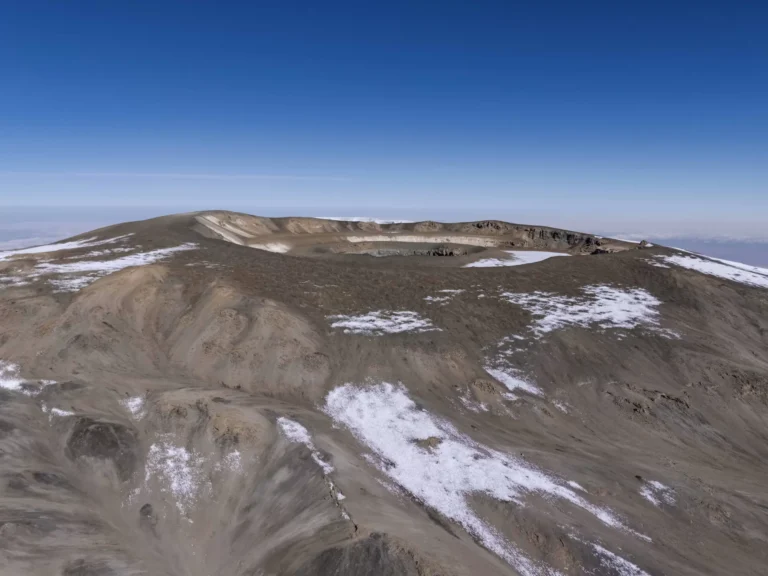
Climbing Kilimanjaro is one of the world’s great adventures - and with the right planning, it’s achievable for most reasonably fit travellers. Standing 5,895 metres (19,341 ft) in northern Tanzania, Kilimanjaro is Africa’s highest mountain and the tallest free-standing peak on Earth. Good preparation determines not just whether you reach Uhuru Peak, but how much you enjoy the journey. Here’s how to plan it, step by step.
The best conditions come in the driest months - January to mid-March and June to October. See our detailed guide to weather on Kilimanjaro for a month-by-month breakdown, and our best time to visit Tanzania guide if you’re combining a climb with a safari.
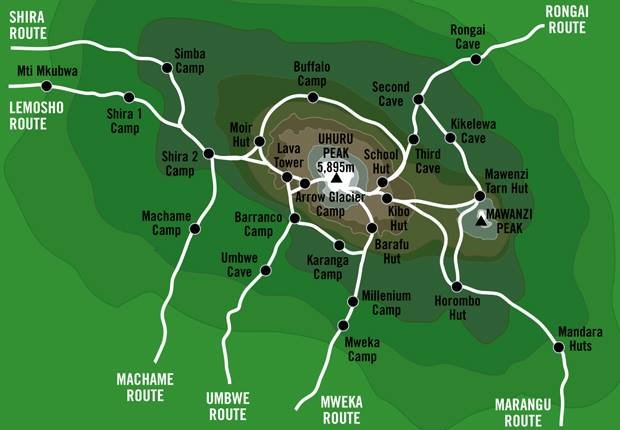
Every route differs in scenery, difficulty and success rate. Five days is the absolute minimum, but adding a day for acclimatisation dramatically improves your summit chances. On the popular Machame route, seven days is recommended over six. Compare all the options in our Kilimanjaro routes guide.
Kilimanjaro is protected by a national park, and you can only climb with a registered operator who provides guides, a cook, porters, food, water and camping equipment. Quality varies enormously - so choose an operator that treats its crew fairly and prioritises safety over the lowest price. As a licensed, local team, Tambaa na Pori handles every detail so you only carry your daypack.
The nearest airport is Kilimanjaro International (JRO), between Arusha and Moshi - see our flights to Tanzania guide. You’ll need a Tanzania visa and a passport valid for six months. Talk to your doctor early about vaccinations and antimalarials, as some must begin weeks in advance; general guidance is on the WHO travel advice pages.
Quality equipment is essential: broken-in hiking boots, thermal base layers, an insulated jacket, gloves, a warm hat, sunglasses, sunscreen and a good sleeping bag (rentals are available). See the full Kilimanjaro packing list.
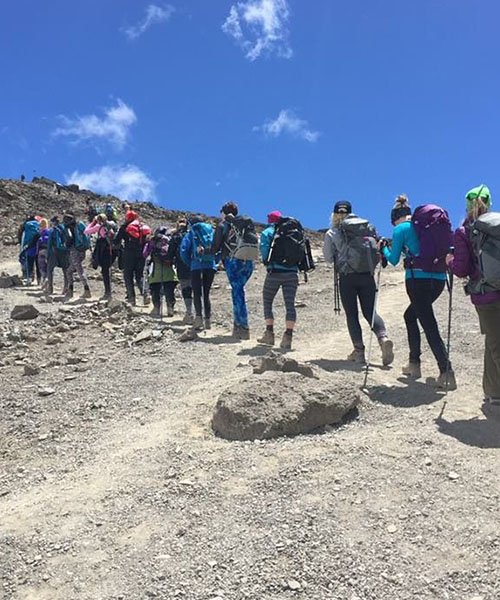
You don’t need to be an athlete, but a good base of fitness makes the climb far more enjoyable. In the months before, build endurance with regular hill walking, long hikes and cardio - stamina matters more than speed. The biggest challenge is altitude, not technical difficulty: no ropes or climbing skills are required. Walking “pole pole” (slowly), staying hydrated and choosing a longer route all help your body acclimatise and reduce the risk of altitude sickness. If you have any medical concerns, speak to your doctor before booking.
Kilimanjaro rewards preparation with one of the most unforgettable mornings of your life. When you’re ready, our team will help you choose the right route, duration and dates.
Ready to turn this into a real journey? As a local, Arusha-based family team, we tailor every Tanzania safari and Kilimanjaro climb to your dates, budget and pace. Request a free, no-obligation quote or get in touch - we usually reply within 24 hours.
Talk to our local safari experts for a tailor-made itinerary that fits your dates and budget.
“Best value safari we found anywhere, and it never felt budget. Serengeti, Ngorongoro and Zanzibar - flawless from start to finish.”
“Summited Kilimanjaro via Lemosho with an incredible crew. Great gear, great food, and they got all of us to Uhuru Peak.”8 Days Lemosho Route
“An unforgettable trip. Our guide spotted a leopard on day one and knew every bird by name. Tambaa na Pori made it effortless.”