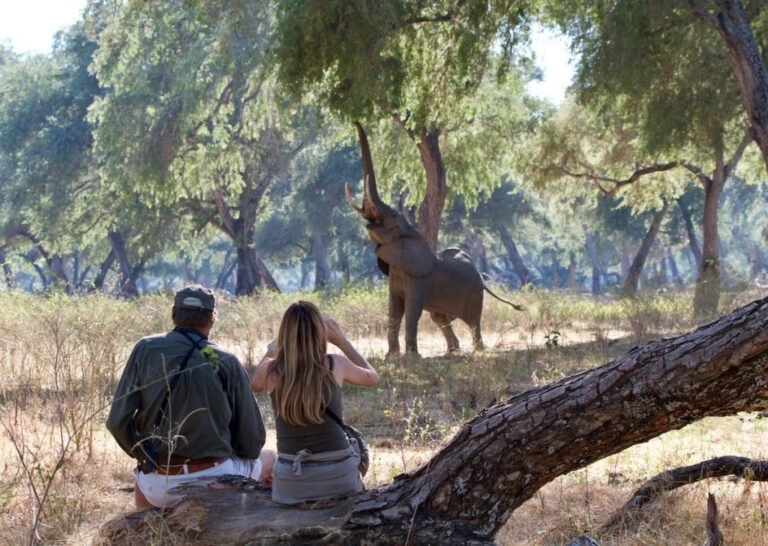

“Best value safari we found anywhere, and it never felt budget. Serengeti, Ngorongoro and Zanzibar - flawless from start to finish.”
Understanding the currency in Tanzania before you travel makes budgeting and daily spending far easier. In short: the local currency is the Tanzanian shilling, but US dollars are widely used in tourism, cards are accepted in larger hotels, and it pays to carry some cash. Here is everything you need to know.
The official currency is the Tanzanian shilling (TZS), with notes for 500, 1,000, 2,000, 5,000 and 10,000 shillings. Shillings are best for local shops, markets and restaurants. In tourism circles - hotels, tour payments, tips and souvenirs - US dollars are the preferred currency. Bring clean, undamaged notes dated 2009 or later, as older or torn bills are often refused.
ATMs accepting Visa and Mastercard are available in most cities and towns, though not on safari or in remote areas. You can typically withdraw the equivalent of around US$300 in shillings per day. Banks open roughly 9am-3:30pm on weekdays and 9-11am on Saturdays. Tell your bank you’re travelling so your card isn’t blocked, and carry enough cash before heading into the parks.
International credit cards are accepted in most hotels, lodges and larger restaurants, usually with a 5-15% processing fee. Smaller shops rarely have card facilities, so keep cash for incidentals. Traveller’s cheques are not accepted anywhere in Tanzania.
On top of your prepaid itinerary, budget an extra US$30-50 per day for drinks, souvenirs and optional activities. As a rough guide, local beers cost US$4-5, imported beers US$6-8, wine US$8-10 a glass, and cocktails US$10-15. Note that a 16% VAT applies to most goods and services and is usually included in the price or added to your bill; there is no tourist refund scheme.
If you’re coming from a country that doesn’t use US dollars, it’s easy to buy dollars at home before you fly, or to exchange on arrival at airport bureaux de change, banks and larger hotels. Airport desks are convenient for a first small amount, while banks in town often offer slightly better rates - though queues can be long. Keep a mix of small and large dollar bills: small notes are handy for tips and park entry fees. Always count your money before leaving the counter, and avoid changing cash with unofficial street dealers.
Tipping is an important part of the tourism culture and always appreciated for good service. General guidelines:
On Zanzibar, bring enough US dollars with you. There are ATMs in Stone Town and at the airport, but they are rare at beach resorts, and you’ll typically spend more here on activities and dining than on safari. For live rates, check XE.com before you exchange. Still unsure how much to bring? Ask our team and we’ll advise based on your itinerary.
Ready to turn this into a real journey? As a local, Arusha-based family team, we tailor every Tanzania safari and Kilimanjaro climb to your dates, budget and pace. Request a free, no-obligation quote or get in touch - we usually reply within 24 hours.
Talk to our local safari experts for a tailor-made itinerary that fits your dates and budget.
“Best value safari we found anywhere, and it never felt budget. Serengeti, Ngorongoro and Zanzibar - flawless from start to finish.”
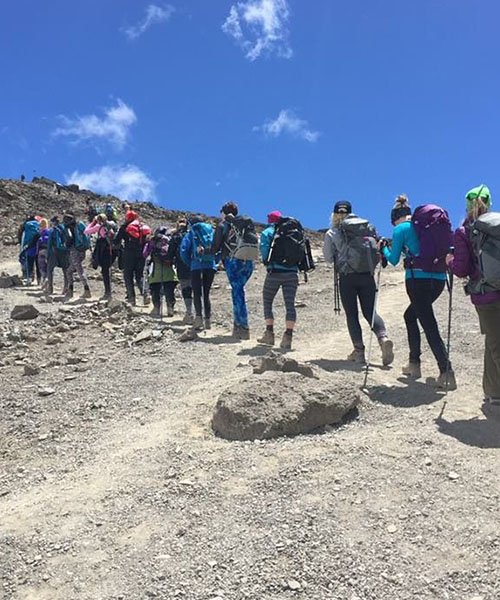
“Summited Kilimanjaro via Lemosho with an incredible crew. Great gear, great food, and they got all of us to Uhuru Peak.”8 Days Lemosho Route
“An unforgettable trip. Our guide spotted a leopard on day one and knew every bird by name. Tambaa na Pori made it effortless.”