“Best value safari we found anywhere, and it never felt budget. Serengeti, Ngorongoro and Zanzibar - flawless from start to finish.”
Getting your Kilimanjaro packing list right is one of the most important parts of preparing to climb. With five climate zones and temperatures that can swing from +35 °C at the base to −15 °C near the summit, the secret is smart layering and quality gear. Here’s exactly what to bring - and how to pack it.
You don’t have to buy everything. Renting big-ticket items - a down jacket, insulated sleeping bag or trekking poles - through us is often better value than buying a cheap version for a single climb, and it saves luggage space. Hiring a high-quality piece beats owning a low-quality one. Just make sure anything you do bring, especially your boots, is properly worn in first.
Summit night is the coldest, longest part of the climb, so pack it deliberately: every warm layer you own, insulated and liner gloves, a warm hat and buff, hand and toe warmers, a reliable headtorch with spare batteries, an insulated water bottle (bladders can freeze), and high-energy snacks. Keep these accessible in your daypack, packed inside dry bags so nothing gets wet on the way up.
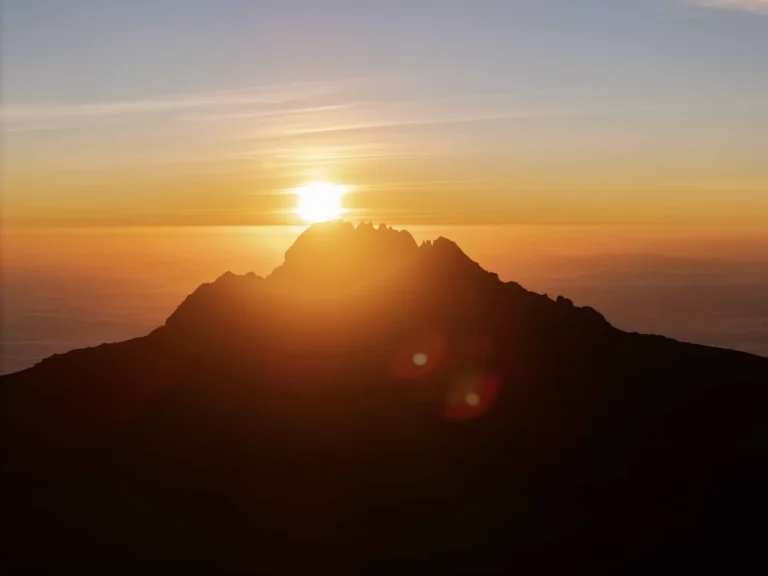
Beyond clothing and gear, don’t forget the small things that make a big difference: your passport and Tanzania visa, travel insurance that covers high-altitude trekking, some US dollars in cash for tips (see our currency guide), a power bank, a book or cards for the evenings, and a small padlock for your duffel. A camera and spare batteries are a must - the summit sunrise is unforgettable.
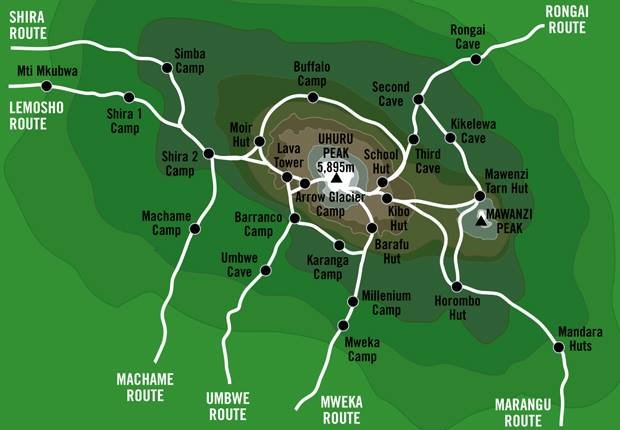
This list suits every route, from the Marangu and Machame trails to the longer Lemosho route. New to the mountain? Start with our guides to climbing Kilimanjaro and Kilimanjaro weather. Park rules are published by Tanzania National Parks (TANAPA).
Ready to turn this into a real journey? As a local, Arusha-based family team, we tailor every Tanzania safari and Kilimanjaro climb to your dates, budget and pace. Request a free, no-obligation quote or get in touch - we usually reply within 24 hours.
Talk to our local safari experts for a tailor-made itinerary that fits your dates and budget.
“Best value safari we found anywhere, and it never felt budget. Serengeti, Ngorongoro and Zanzibar - flawless from start to finish.”
“Summited Kilimanjaro via Lemosho with an incredible crew. Great gear, great food, and they got all of us to Uhuru Peak.”8 Days Lemosho Route
“An unforgettable trip. Our guide spotted a leopard on day one and knew every bird by name. Tambaa na Pori made it effortless.”